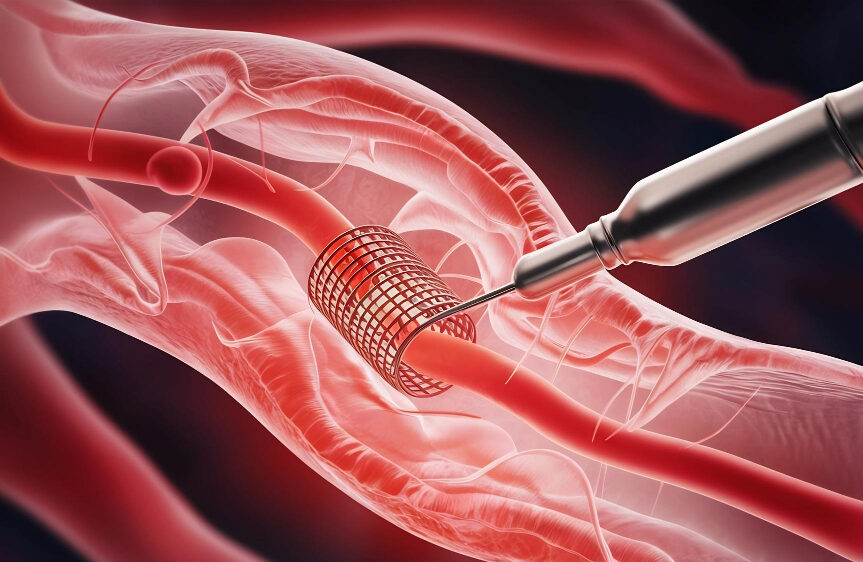
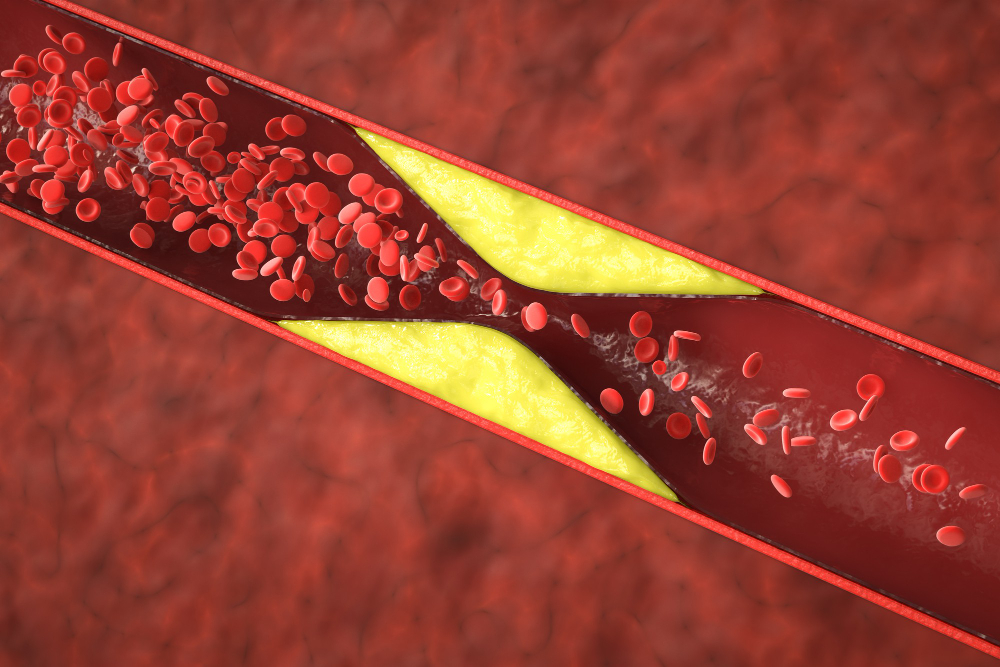
Angioplasty and vascular stenting are minimally invasive procedures used to open narrowed or blocked blood vessels. Using image guidance, a balloon catheter and stent are placed to restore healthy blood flow, relieve symptoms, reduce complications, and improve circulation without the need for major surgery.
Carotid artery interventions help treat narrowing of the carotid arteries, which supply blood to the brain. These image-guided procedures reduce the risk of stroke by improving blood flow, restoring vessel patency, and providing a minimally invasive alternative to conventional surgical treatment.
Uterine Fibroid Embolisation (UFE) is a non-surgical treatment for uterine fibroids. Tiny particles are injected into the blood vessels supplying the fibroids, causing them to shrink. The procedure effectively relieves symptoms such as heavy bleeding and pelvic pain while preserving the uterus.
Varicose vein ablation is a minimally invasive procedure that uses heat or other advanced techniques to close diseased veins. It helps alleviate leg pain, swelling, heaviness, and cosmetic concerns while improving circulation and allowing patients to return quickly to normal activities.
Image-guided biopsies use ultrasound, CT, or other imaging technologies to accurately obtain tissue samples from suspicious areas. This minimally invasive procedure provides precise diagnosis of tumors, infections, and abnormalities while minimizing discomfort, reducing risks, and avoiding unnecessary surgical interventions.
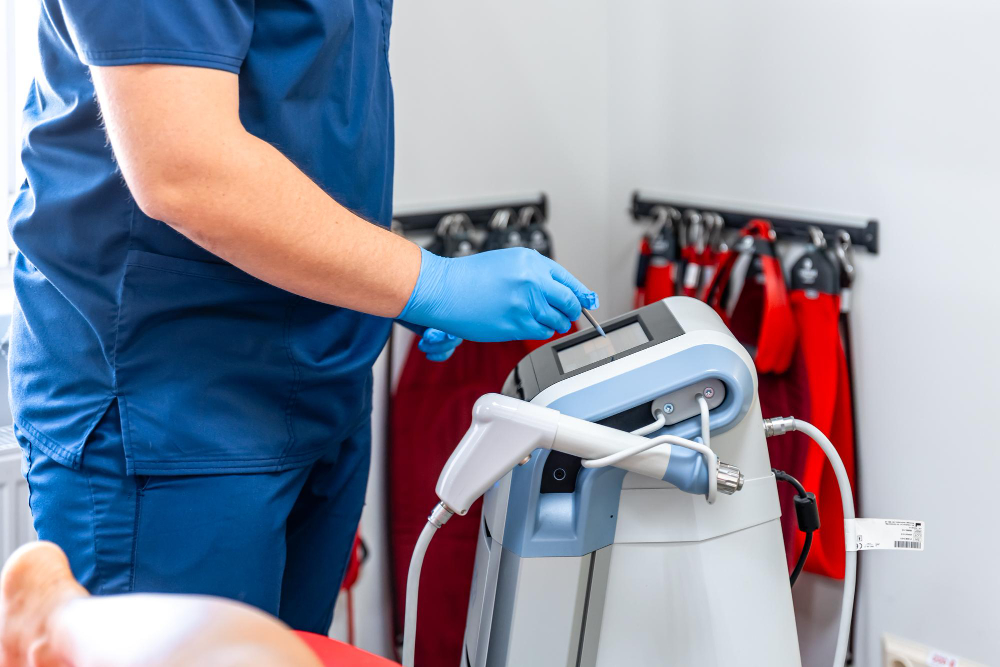
Radiofrequency ablation uses controlled heat generated by radiofrequency energy to destroy abnormal tissues or tumors. Performed under image guidance, this minimally invasive treatment offers effective management of selected cancers and pain conditions with shorter recovery times and minimal impact on surrounding tissues.
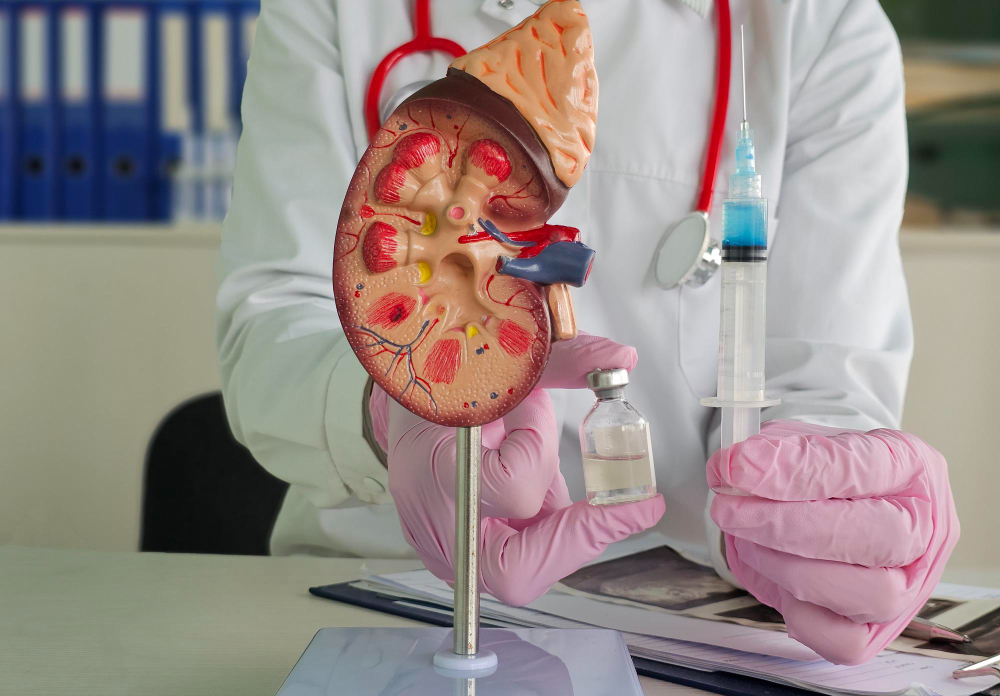
Nephrostomy and biliary drainage procedures help relieve blockages in the urinary or biliary systems. Using image guidance, a catheter is placed to drain accumulated fluid, reduce pressure, alleviate symptoms, prevent complications, and restore normal function in affected organs safely and effectively.
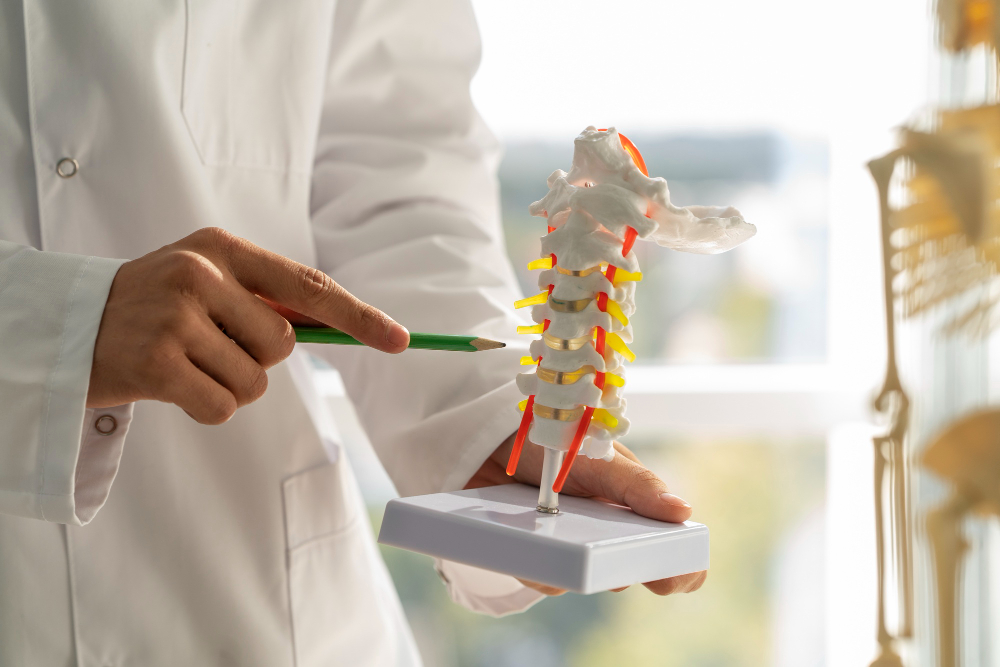
Vertebroplasty is a minimally invasive procedure used to treat painful spinal compression fractures, commonly caused by osteoporosis. Special bone cement is injected into the fractured vertebra to stabilize the spine, reduce pain, improve mobility, and enhance the patient’s quality of life.