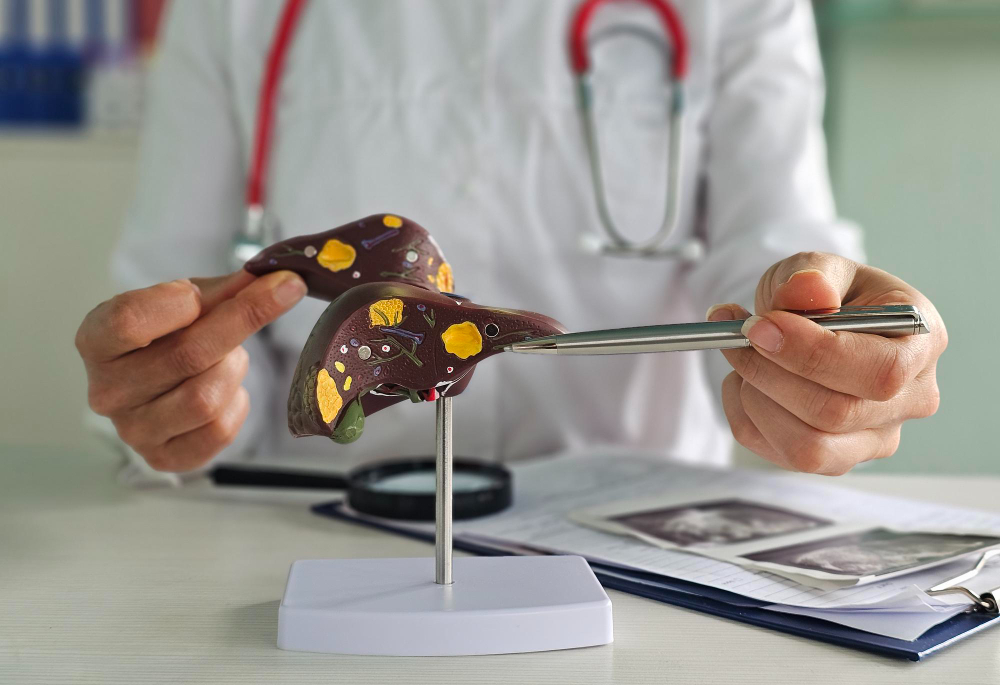
What Is Liver Tumor Ablation?
Liver tumor ablation is a treatment that destroys cancer cells in the liver. Doctors use it for people who cannot have surgery. Often, it is called a minimally invasive liver cancer treatment. There are different types of ablation. However, radiofrequency ablation for liver tumors is one of the most common methods. In this procedure, heat is used to kill cancer cells. Because it targets only the tumor, healthy liver tissue is mostly spared.
How Does Radiofrequency Ablation Work?
Radiofrequency ablation (RFA) uses electrical energy to create heat. First, a thin needle is placed into the liver tumor. Then, radio waves pass through the needle. As a result, the tumor heats up and the cancer cells die. Doctors use imaging, such as ultrasound or CT scans, to guide the needle. This makes the treatment precise and safe. Since RFA is minimally invasive, it usually does not require large cuts.
Indications: Who Can Benefit?
Not everyone with liver cancer is a candidate for radiofrequency ablation. Still, many people can benefit, especially if:
For example, people with early-stage liver cancer or those waiting for a liver transplant may be good candidates. Your doctor will decide if this treatment is right for you.
Step-by-Step Procedure Overview
Understanding the steps can help ease worries. Here is what usually happens during radiofrequency ablation for liver tumors:
Most people go home the same day or after one night in the hospital.
Benefits and Risks
Like any treatment, radiofrequency ablation has both benefits and risks. However, many people find the benefits outweigh the risks.
But, there are some risks to consider:
According to the American Cancer Society, serious problems are uncommon, but you should discuss all risks with your doctor.
Recovery and Aftercare
After radiofrequency ablation, recovery is usually quick. Most people can return to normal activities within a few days. However, you may feel tired or have mild pain for a short time. Here are some aftercare tips:
Always call your healthcare team if you have any concerns during recovery.
Prevention and Lifestyle Tips
While radiofrequency ablation treats liver tumors, it is also important to focus on prevention. Here are some tips to keep your liver healthy:
By making healthy choices, you can support your liver and overall health.
Frequently Asked Questions
For more information, visit trusted sources like the World Health Organization or the American Cancer Society.
Consult Dr Venkateshwarlu Jampala for personalized advice on liver tumor ablation.