What Is Claudication?
Claudication means pain or discomfort in your legs when you walk. This leg pain while walking often goes away when you rest. Usually, it happens because blood cannot flow well to your leg muscles. As a result, your legs may feel tired, heavy, or achy. This condition can make daily activities hard. For many people, even a short walk can become a struggle. Claudication is a sign that your blood vessels may be narrowed or blocked.
Common Symptoms of Leg Pain While Walking
Many people notice symptoms only when they walk or exercise. However, these symptoms can get worse over time. Common signs include:
Sometimes, the pain can also affect your hips or buttocks. If you notice these symptoms, it is important to talk to your doctor.
Causes and Risk Factors
Claudication is most often caused by a problem called peripheral artery disease (PAD). In PAD, fatty deposits build up in the blood vessels. This buildup makes it hard for blood to reach your leg muscles. Several factors can increase your risk, such as:
Because these risk factors are common, many people may develop claudication as they age.
How Claudication Is Diagnosed
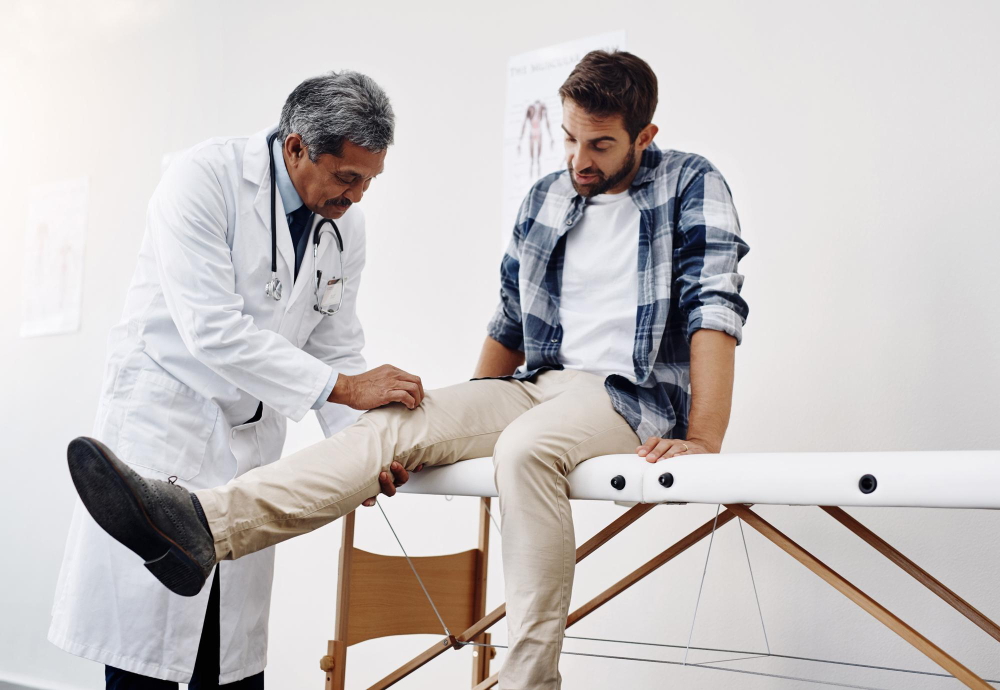
Doctors use several steps to find out if you have claudication. First, they ask about your symptoms and medical history. Next, they check your legs and feet for weak pulses or sores. Often, they use a simple test called the ankle-brachial index (ABI). This test compares blood pressure in your ankle and arm. Sometimes, doctors may order ultrasound or other scans to see how blood flows in your legs. Early diagnosis helps you get the right treatment sooner.
Overview of Endovascular Treatment Options
Endovascular treatment for claudication offers minimally invasive leg pain solutions. These procedures use small cuts and thin tubes called catheters. Because they do not need large cuts, recovery is often faster. Common endovascular treatments include:
These treatments can help reduce leg pain while walking and improve your ability to move.
Benefits and Risks of Endovascular Procedures
Endovascular treatment options near you can offer many benefits. For example, they are less invasive than open surgery. Most people recover faster and have less pain after the procedure. In addition, you may spend less time in the hospital. However, there are some risks to consider. These include:
Although serious problems are rare, it is important to discuss all options with your doctor. According to the CDC, endovascular procedures are safe for most people, but results can vary.
Lifestyle Tips for Managing Claudication
Along with treatment, healthy habits can help manage claudication. For example, you can:
Even small changes can make a big difference. Over time, these steps can help reduce symptoms and improve your quality of life.
Prevention and When to See a Doctor
Preventing claudication starts with a healthy lifestyle. You can lower your risk by staying active, eating well, and not smoking. However, if you notice leg pain while walking or any of the symptoms listed above, see a healthcare provider soon. Early care can prevent serious problems. If you have sudden pain, coldness, or color changes in your leg, seek help right away. These may be signs of a serious blockage.
Consult a healthcare specialist Dr.Venkateshwarlu Jampala for personalized advice on managing leg pain while walking.