
Introduction
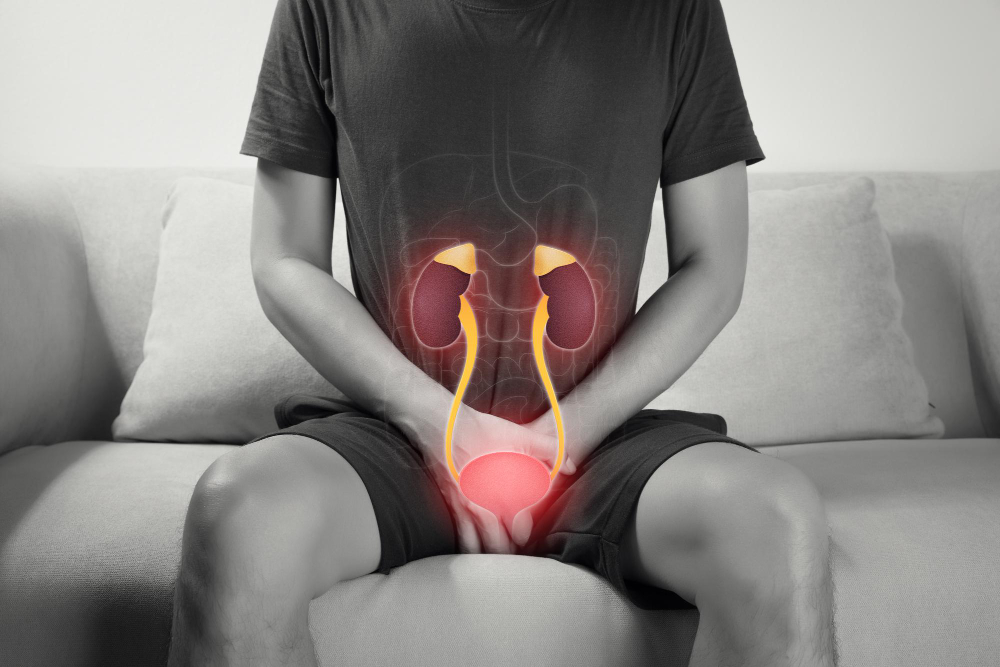
Kidney blockage, also known as hydronephrosis, happens when urine cannot flow out of the kidney. This causes the kidney to swell. Early treatment is important to prevent damage. In many cases, image-guided drainage options offer safe and effective relief. These minimally invasive kidney procedures use imaging tools to guide doctors. As a result, patients often recover faster and with less pain. In this blog, we will explain kidney blockage, its symptoms, and how image-guided kidney drainage can help.
What is Kidney Blockage (Hydronephrosis)?
Hydronephrosis means the kidney is swollen because urine cannot drain. This blockage can happen in one or both kidneys. Sometimes, the problem is mild. Other times, it can be severe and cause pain or infection. The blockage may be sudden or develop slowly over time. If left untreated, hydronephrosis can harm the kidney.
Common Symptoms and Causes
Many people notice symptoms when the blockage gets worse. However, some may not feel anything at first. Common kidney blockage symptoms include:
There are several causes of hydronephrosis. For example, kidney stones can block the flow of urine. Infections, enlarged prostate, or birth defects may also lead to blockage. Sometimes, tumors or injuries cause the problem. Because the causes vary, it is important to see a doctor for proper diagnosis.
Diagnosis of Hydronephrosis
Doctors use several tests to find out if you have hydronephrosis. First, they may ask about your symptoms and medical history. Next, they often use imaging tests, such as:
Blood and urine tests may help check kidney function. With these tests, doctors can find the cause and plan the best hydronephrosis treatment options.
What Are Image-Guided Drainage Options?
Image-guided drainage is a modern way to treat kidney blockage. In these procedures, doctors use ultrasound or X-ray images to guide a thin tube into the kidney. This tube helps drain urine and relieve pressure. Because these are minimally invasive kidney procedures, they often cause less pain and have a shorter recovery time. Many hospitals in the United States and around the world offer these treatments.
Types of Image-Guided Drainage Procedures
There are a few main types of image-guided kidney drainage. Your doctor will choose the best one for your needs. Common procedures include:
Each procedure uses imaging tools to make sure the tube is placed safely and correctly.
Benefits and Risks of Image-Guided Drainage
Image-guided kidney drainage offers many benefits. For instance, it is less invasive than open surgery. Most patients recover quickly and can return home sooner. Other benefits include:
However, there are some risks. These may include bleeding, infection, or injury to nearby organs. Rarely, the tube may move out of place. But with skilled doctors and proper care, most people do well.
Recovery and Aftercare Tips
After image-guided drainage, most people feel better quickly. Still, it is important to follow your doctor’s advice. Here are some tips for a smooth recovery:
If you notice pain, swelling, or leaking around the tube, call your doctor right away. Early care can prevent problems.
Prevention and Lifestyle Guidance
While not all kidney blockages can be prevented, some steps may help lower your risk. For example:
By following these tips, you may reduce your risk of hydronephrosis and other kidney problems.
Conclusion
Kidney blockage (hydronephrosis) can lead to discomfort and affect kidney function if left untreated. Early diagnosis and appropriate management are important for better outcomes. Venkateshwarlu Jampala provides expert evaluation and guidance for kidney-related concerns, including advanced treatment approaches like image-guided drainage when required. Consult a healthcare specialist for personalized advice and timely care.